Concrete patio construction in Oceanside CA - a surface that grips when it's wet
Cracked, sinking slab or bare dirt out back? We pack the base and pour a patio that sits flat and sheds water.
- Licensed and fully insured.
- Free on-site estimates.
- Expect a reply within 1 business day.
What goes into building a concrete patio, from the base to the finish?
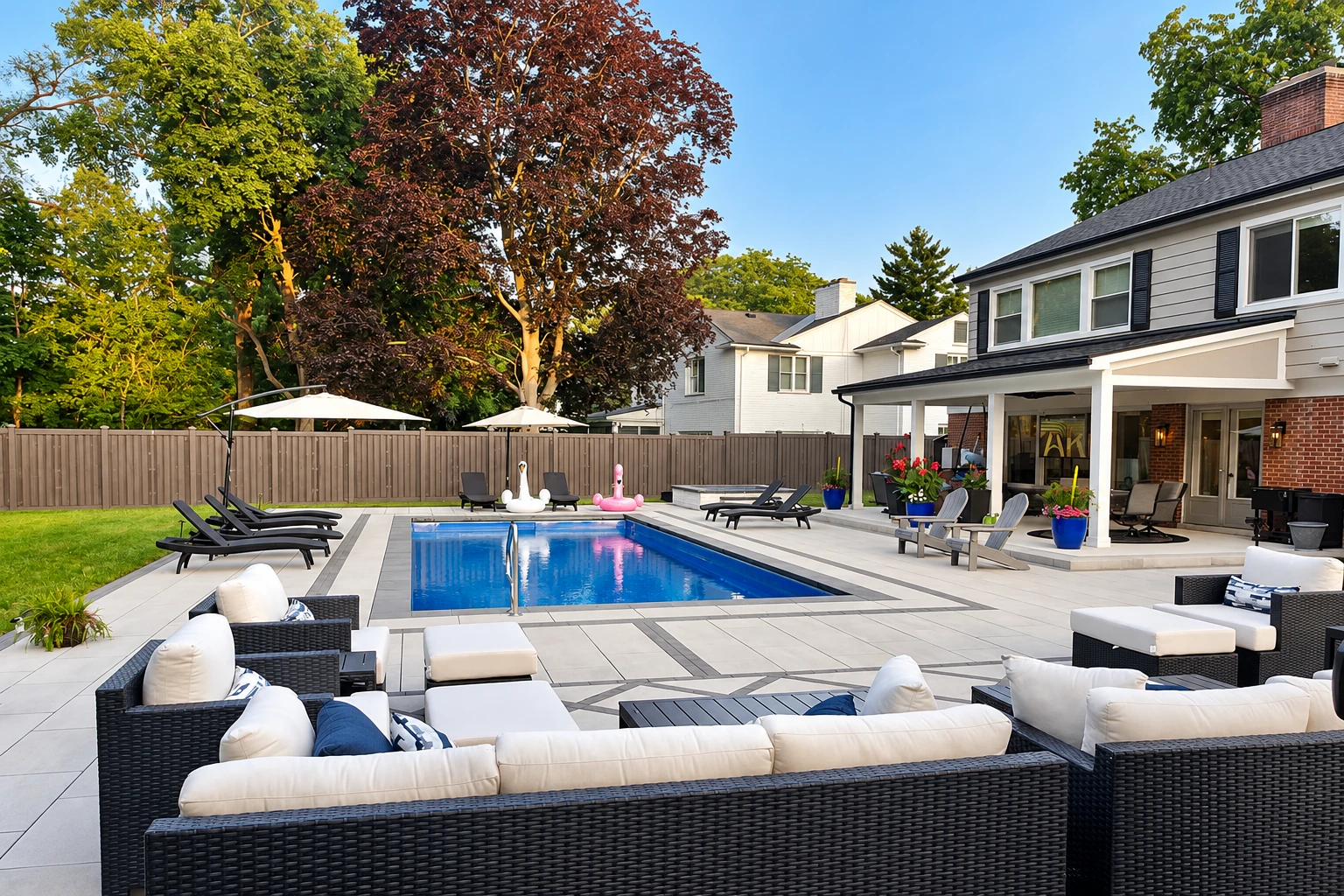
Concrete patio construction in Oceanside covers digging out the spot, packing the base, then forming, pouring, finishing and curing a slab you can set a table and chairs on. It often starts with breaking out an old slab or comes with a walkway to reach it, and the finish you pick decides how it looks and how it grips when it's wet.
Most people who call about a patio have bare dirt, a tired old slab or pavers that have shifted, and they want something flat that stays put. The price moves with the size, how much we have to dig out or break up, how far the truck has to reach and the finish you choose, since a plain broom finish costs less than a decorative one. The schedule turns on the weather, because I'd rather wait for a better day than pour in the worst of the heat, and on what the city needs, which we check before we start and pull a permit for when one's called for. My written estimate breaks your job down line by line so you can see where the money goes.
How do you know it's time for a new patio?
Cracks that keep growing
You see hairline cracks that open wider every year, or corners starting to break off. That usually means the ground under the slab moved or the joints were cut late or skipped, and every rain pushes more water into those cracks and makes the trip edges worse.
One side sinking or tilting
The slab drops at one edge, or a gap opens where it meets the house. Most often the base was raked level instead of dug out and packed, so it settled with the dirt, and if it tips toward the house, every storm sends water against your foundation.
Puddles that sit after rain
Water stays in the same low spots long after the sprinklers shut off. Nobody checked where the water would run before the pour, and standing water leaves stains, turns slick and works its way under the edges.
Work that often goes with a patio
Stamped concrete services
Stamping presses a stone, brick or tile pattern into the wet concrete, a good fit if you want a patio that looks dressier than a plain slab.
Concrete sidewalk building
A patio is only as handy as the path to it, so a walkway from the side gate or driveway keeps traffic off the lawn.
How we build a concrete patio
We start with the finish, because I'd rather help you pick one you can walk on when it's wet than one that only looks good in a photo. Then we check where the water runs and set the forms so the slab falls away from the house. We dig out and pack the subgrade, the ground the slab sits on, instead of just raking it flat, and lay rebar, steel bars that hold the slab together if it cracks. When it's hot out, we plan the pour around the heat, then finish the surface and cut the control joints while the concrete's fresh, so any cracking follows the straight grooves we chose. After that comes curing, keeping the new slab protected while it gains strength, and it gets real attention from us until the patio's ready to use. If the budget gets tight, the base is the last place I'll cut, because nobody sees it on day one and it's what decides whether the patio stays flat. I'll go plainer on the finish first.
A patio usually ties into other work. If you want the look of stone or tile, we can press a pattern in with stamped concrete, and we'll still talk about grip before you choose. If the patio needs a way in from the driveway or side gate, our concrete sidewalk building work gives you a path that matches while we're already set up.
Broom finish
A light texture is dragged across the wet surface so feet have something to grip. It's the practical pick for most open patios that see rain, sprinklers or wet feet from the pool, and it's the one I suggest first.
Exposed aggregate
The top is washed back to show the stones in the mix, which adds texture and color. It takes careful work and can feel rough on bare feet, so it suits people who want the look and don't mind the feel.
Smooth or sealed finish
A smooth trowel or a sealer looks clean and polished, but it can turn slick when wet and changes how you care for the surface. It fits best on a small, covered patio or a spot that doesn't get much foot traffic.
Get a free on-site estimate for your patio
Send the form and we'll get back to you within one business day, no obligation. I'll come out, look at the spot and follow up with a written estimate. Or call (760) 400-7009.
Call (760) 400-7009Why Oceanside homeowners call Groundwork Oceanside Concrete for patios
I look at every job myself
I come out to every estimate, write it myself, then run the site alongside our crew of finishers and laborers. The person who told you what your patio needs is the one making sure it gets built that way.
Licensed and fully insured, every job
We're licensed and fully insured on every job, from a small pad to a full backyard patio. Ask about it at the estimate, because you should know who's covered before anyone starts digging in your yard.
Concrete kept out of storm drains
Oceanside's stormwater checklist calls for concrete crews to contain wet mixing areas and keep material out of the dirt, the street and the storm drains. We set up a lined washout spot for tools and chutes before the truck shows up, and we clean the street side before we leave.
In business since 2023
I started out pouring walkways, pads and small patios for neighbors on weekends, and those jobs turned into this business in 2023. I learned next to finishers who'd been at it longer than me, so patios are where this whole thing began.
On a patio, the part that matters most is the part you won't see later, the base and the cure. Set up your estimate and I'll come take a look.
What happens after you call us about a patio?
Call or send the form
Call (760) 400-7009 or send the form, and we'll set a time for me to come out. Have a rough size and a few photos of the area handy so we can get specific.
I walk the site with you
I look at where the water runs, what's there now and how the truck gets in, then tell you on the spot what I'd do and why. After that you get a written estimate you can compare line by line with anyone else's.
We handle permits and prep
Once you say go, we sort out what the city needs and pull a permit if one's called for, then dig out and pack the base. In a hot stretch I'll pick the pour day around the weather, even if that means waiting a day.
Pour, cure and clean up
I run the pour and the finish with our crew, cut the joints and set up the cure, then we clean up the site. I'll tell you when it's ready for foot traffic and when the furniture can go back out.
Common questions
How much does a concrete patio cost in Oceanside?
A 4-inch concrete slab, installed, usually costs about $11 to $16 per square foot in San Diego County. That's the going rate for a plain installed slab around here, not our price, and your finish, prep work and access move it up or down. My written estimate gives you the number for your patio.
Do I need a permit to pour a concrete patio in Oceanside?
Check with the city before you pour, because Oceanside's exempt list names sidewalks and driveways up to 30 inches above grade, and patios aren't on it. To get an exemption you submit the city's Permit Exemption Form to the Building Division, and staff there won't confirm an exemption verbally. We check what the city needs on every job before we start.
Can I pull my own patio permit in Oceanside as an owner-builder?
Yes, if you've owned the property for the last 12 months, since the city issues building permits only to contractors licensed in the right class or to owner-builders. On a permitted job, you, the licensed contractor or an employee of either has to be there for every inspection. We can pull the permit as the licensed contractor and meet the inspector, or walk you through it if you're building as an owner-builder.
Will my new concrete patio crack like the old one?
Concrete can still crack, but good curing goes a long way toward keeping shrinkage cracks, scaling and flaking off a new slab. Curing shields fresh concrete from low humidity, drying wind and sharp temperature swings, so I treat it as part of the job and not an afterthought. Add the packed base and the joints we cut, and the cracks you do get usually land where we planned them.
How do I know if a concrete contractor is licensed for patio work in California?
Ask for their California concrete contractor license, because that's the license that covers forming, pouring, placing and finishing flat concrete work like a patio. While you're at it, ask how they keep the mix workable on site, since an Australian concrete industry guide warns that adding water to make concrete easier to work lowers its strength and durability.
What is the best way to pour a concrete patio in hot weather?
Pour early in the morning when you can and place and finish it quickly, which is what one trade group's hot-weather guide recommends to lower the chance of shrinkage cracks and finishing problems. The same guide says to dampen the forms and the ground under the slab before the concrete goes in. On warm days, plan on us starting early.
Send us your patio size and photos
Call (760) 400-7009 or email the rough size, the finish you like and a few photos to office@oceansideconcrete.com, and I'll show up ready to talk about your patio instead of starting from scratch.